2026-05-08
NCCU College of Communication Hosts Lecture Series on Pragmatism, Communication, and Democracy
NCCU College of Communication Hosts Lecture Series on Pragmatism, Communication, and Democracy
The College of Communication at National Chengchi University (NCCU) hosted a lecture series featuring Dr. Scott R. Stroud, Professor of Communication Studies at the Moody College of Communication, The University of Texas at Austin. Supported by the University Academic Alliances in Taiwan (UAAT), the series invited Dr. Stroud to share his research on pragmatism, communication ethics, rhetoric, and democratic life with students and faculty across disciplines.
Dr. Stroud is the founding director of the Media Ethics Initiative and Program Director of Media Ethics at the Center for Media Engagement, The University of Texas at Austin. His scholarship bridges rhetoric, philosophy, political culture, communication ethics, and global rhetorical traditions, with particular attention to pragmatism, John Dewey, B. R. Ambedkar, and democratic communication. Through the lecture series, he introduced students to the continuing relevance of pragmatist thought for understanding communication, inquiry, ethics, and democratic participation.
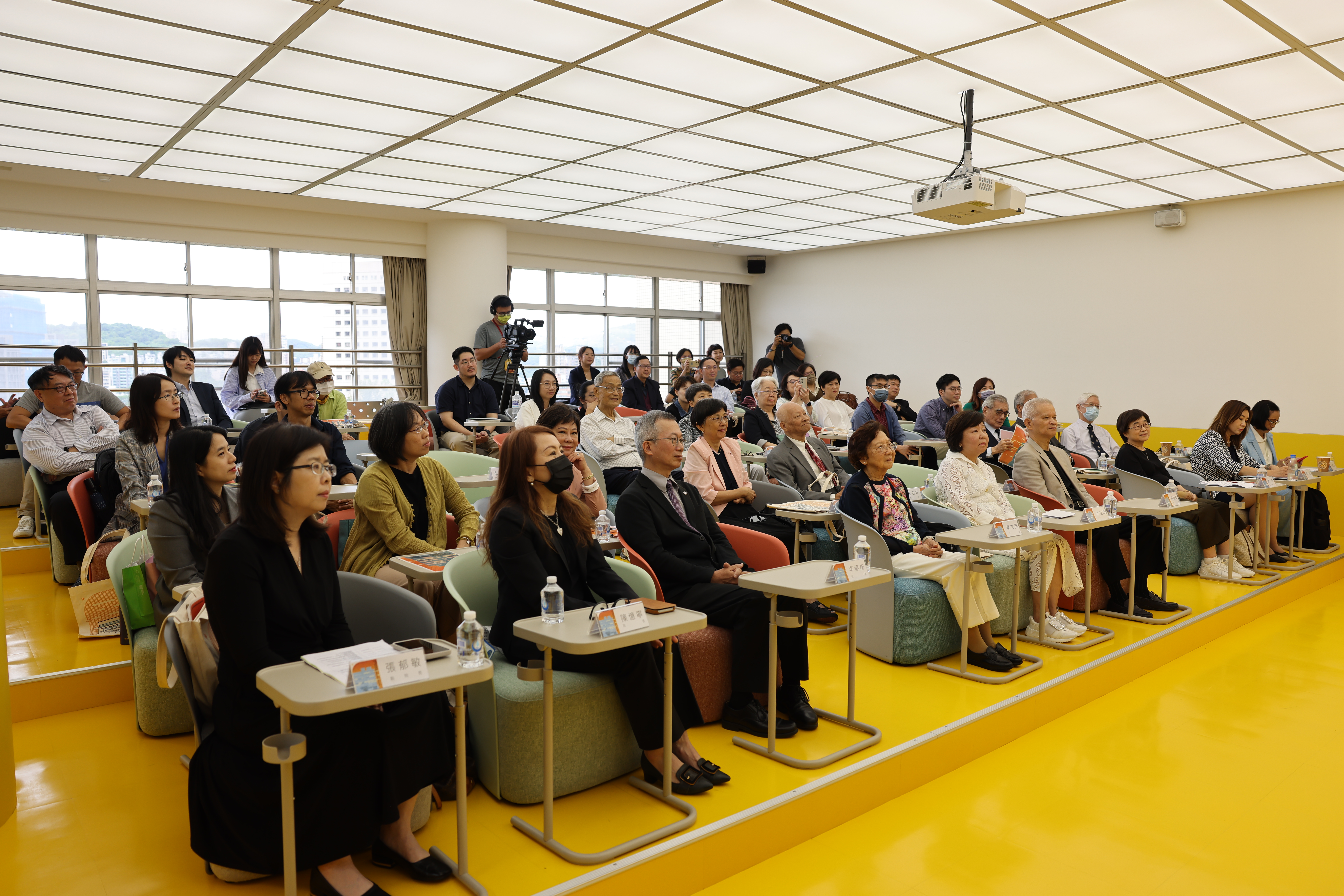
On April 28, Dr. Stroud delivered a lecture titled “Pragmatism, Communication, and Democracy” in the doctoral-level Methodology course taught by Dr. Hui-Wen Liu of the College of Communication. In the lecture, Dr. Stroud discussed pragmatism as an approach to knowledge, ethics, and politics, emphasizing that theories can be understood as tools for inquiry and problem-solving. He also highlighted the role of habits, reflection, shared interests, and openness in democratic communication, encouraging students to consider how research methods may contribute to social improvement and more reflective forms of public engagement.
The visit also extended beyond the College of Communication and created broader opportunities for cross-disciplinary exchange. Dr. Stroud gave an undergraduate lecture in the Department of Political Science, where he explored Dewey’s influence on modern reform thought in China and India through the cases of Hu Shih and B. R. Ambedkar. The lecture examined how Dewey’s pragmatism was taken up in Asian contexts as an intellectual resource for rethinking democracy, science, education, public communication, cultural reform, and social justice. Later that evening, Dr. Stroud joined a student study group for an informal discussion on pragmatism, democracy, and AI, inviting students to reflect on the relationships among pragmatist thought, AI ethics, sociotechnical systems, public communication, and democratic governance.
Dr. Liu noted that the lecture series offered students a valuable opportunity to connect communication studies with philosophy, political thought, and democratic practice. Through Dr. Stroud’s doctoral teaching, public lectures, cross-departmental engagement, and small-group discussion, students were encouraged to understand methodology not only as a technical research procedure, but also as a way to examine how knowledge, communication, and social action are connected. As part of the College’s UAAT-supported international academic exchange efforts, the visit helped broaden students’ research perspectives, strengthen graduate-level academic training, and deepen scholarly connections with communication scholars from The University of Texas at Austin.
Dr. Scott R. Stroud discusses Pragmatism, Communication, and Democracy with Professor Hui-Wen Liu during the Methodology course. (Photo by College of Communication)



.jpg)